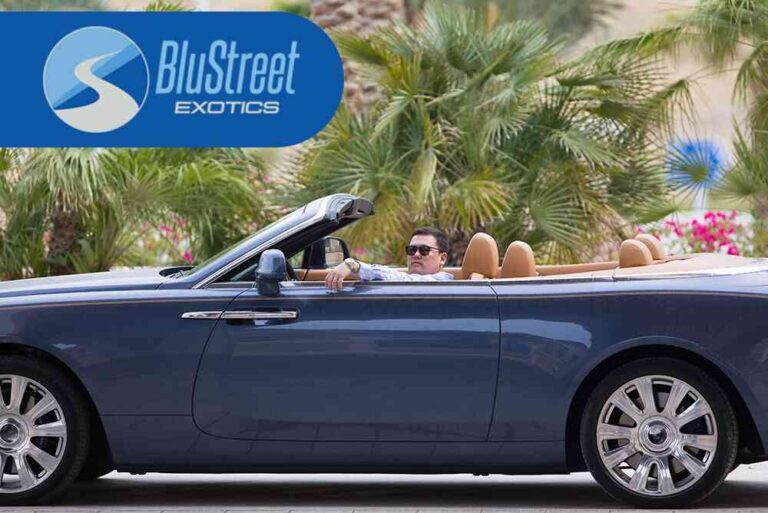
Setting the Stage for a Flawless Exotic Car Photoshoot
Why Preparation Matters More Than the Camera Gear
You have booked the photographer, secured the location, and planned every shot. But the single most important factor determining whether those images look like a magazine spread or a quick phone snap is the condition of the car itself. No amount of post-processing can fix a dirty wheel well, a missed swirl mark under direct light, or a dusty dashboard reflecting in the windshield. The best camera bodies and lenses simply amplify what is already there, so if the car is not ready, your final images will fall flat.
Preparation transforms a standard rental into a showpiece that photographs beautifully from every angle. When you commit to thorough pre-shoot work, you give the photographer raw material that needs minimal retouching. This saves time on set and delivers images that feel authentic rather than heavily edited. It also protects your investment, especially when you are handling a high-value vehicle that demands respect.
The difference between a good exotic car photo and a great one often comes down to surface preparation. A Lamborghini Huracán with perfectly corrected paint reflects light like a mirror, creating those dramatic highlights that define luxury automotive photography. Without that preparation, even the most expensive lighting equipment cannot eliminate the distractions caused by micro-scratches and hazy clear coat.
Understanding the Vision Behind Your Luxury Car Photography
Every photoshoot tells a story, and the car is the main character. You need to ask yourself what feeling you want the images to convey before you even pick up a microfiber cloth. Are you aiming for a sleek, corporate look that emphasizes the car’s engineering precision? Or do you want a lifestyle feel that places the vehicle in a natural setting, suggesting adventure and freedom? The answers to these questions will guide every decision you make during preparation.
Your vision also determines which angles and details deserve the most attention. A Rolls-Royce Ghost demands immaculate interior prep because clients will zoom in on the stitched leather and wood veneers. A Ferrari 488 GTB needs flawless paint work because the sculpted body lines are the star of the show. Aligning your prep work with the intended use of the photos ensures you spend time where it truly matters.
Understanding the photographer’s creative direction helps you avoid surprises on shoot day. Some photographers love tight macro shots of badges and vents, while others prefer wide environmental portraits that show the car in its surroundings. Knowing this ahead of time lets you focus on the areas that will appear in the final edit. It also builds trust between you and the creative team, which leads to smoother collaboration.
Aligning Your Expectations with the Photographer’s Workflow
Professional photographers follow a specific rhythm on set, and your preparation can either support or disrupt that flow. When the car arrives clean and ready, the photographer can move directly into lighting tests and composition work. When it needs last-minute cleaning, valuable shooting time disappears. That lost time often costs more than the rental itself, especially when you have limited access to the location or golden hour light.
You should communicate clearly with the photographer about the level of prep they expect. Some photographers prefer to handle minor dust removal on set themselves, while others want a fully detailed car before they touch a single light. Asking these questions early prevents miscommunication and ensures everyone arrives prepared. It also helps you understand whether you need a professional detailer or whether a thorough hand wash will suffice.
The photographer’s workflow also dictates how you stage the car between shots. A common mistake is wiping down the car with a dirty rag, which creates micro-scratches that show up under strobes. Instead, use clean microfiber towels and a quick detailer spray for touch-ups. Keep these supplies in a dedicated bag so you can maintain the car’s appearance throughout the shoot without introducing new defects.
The Role of BluStreet Exotic Car Rentals in Your Shoot Success
Choosing the right rental partner makes preparation significantly easier. BluStreet Exotic Car Rentals provides vehicles that arrive professionally cleaned and mechanically sound, so you start with a strong foundation. Their fleet includes Ferrari, Lamborghini, Rolls-Royce, and McLaren models that have been maintained to the highest standards. This eliminates the guesswork about whether the car will perform or look its best on camera.
When you work with BluStreet, you gain access to vehicles that are regularly detailed and inspected. This means fewer surprises when you begin your own prep work. The team understands the demands of professional photography and can offer guidance on which cars photograph best in different environments. Their experience with film and music video productions also means they know how to handle tight schedules and specific requirements.
BluStreet’s white-glove service extends to delivery and pickup across Long Island and NYC. They can coordinate directly with your shoot location, saving you the stress of transporting a high-value vehicle yourself. This level of support allows you to focus entirely on the creative aspects of the shoot rather than logistics. It also ensures the car remains in pristine condition from the moment it leaves their lot to the moment it arrives on set.
The Art of Detailing and Paint Correction for Maximum Reflection
Deep Cleaning Beyond the Surface: Removing Swirl Marks and Imperfections
A standard car wash removes dirt, but it does not address the microscopic defects that ruin reflections in photos. Swirl marks are caused by improper washing techniques and show up clearly under direct light. These fine scratches scatter light unevenly, making the paint look dull and hazy. For a professional photoshoot, you need to eliminate these imperfections before the car ever sees a camera lens.
Clay bar treatment is the first step toward truly smooth paint. This process removes bonded contaminants like industrial fallout, tree sap, and road tar that washing cannot touch. When you run your hand over properly clayed paint, it feels like glass. That smooth surface is essential for creating the crisp reflections that make exotic cars look spectacular in photographs. It also prepares the paint for correction by ensuring no debris gets trapped during polishing.
After claying, you should assess the paint under bright lighting to identify remaining defects. Use a handheld LED light or position the car under direct sunlight to reveal swirls, water spots, and light scratches. Mark these areas with painter’s tape so you know exactly where to focus your correction efforts. This inspection step prevents you from missing imperfections that will become obvious once the photographer’s strobes hit the paint.
Paint Correction Techniques That Make a Supercar Pop Under Studio Lights
Paint correction involves using a machine polisher and abrasive compounds to level the clear coat and remove defects. This is not a task for beginners, as improper technique can burn through the paint or create holograms that are even worse than the original swirls. If you lack experience, hire a professional detailer who specializes in luxury car paint correction tips for shoots. The cost is far less than the damage you could cause by attempting it yourself.
The process typically uses a two-step or three-step system. A cutting compound with a wool or microfiber pad removes deeper scratches and oxidation. Then a finishing polish with a foam pad refines the surface to a high gloss. The goal is to create a mirror-like finish that reflects light cleanly without distortion. When done correctly, the paint looks wet and deep, with colors appearing more saturated than they do under normal conditions.
Black and dark-colored cars benefit the most from correction because they show every imperfection. A well-corrected black McLaren 720S can look almost liquid under studio lights, with reflections bending smoothly across its curves. Lighter colors like white and silver hide defects better but still benefit from the enhanced gloss that correction provides. No matter the color, corrected paint gives the photographer more flexibility with lighting angles and reduces the need for retouching.
Interior Detailing for Luxury Car Shoots: Leather, Carbon Fiber, and Alcantara
The interior of a luxury car tells its own story through materials and craftsmanship. Photographers love capturing close-ups of the cabin because these shots convey the tactile quality of the experience. To make these images shine, you must clean every surface with appropriate products. Leather requires a gentle cleaner and conditioner that leaves a matte finish rather than a greasy shine. Shiny leather looks fake in photos and reflects light unevenly.
Carbon fiber trim deserves special attention because its weave pattern creates visual interest. Wipe these panels with a microfiber cloth and a mild cleaner, then follow with a dry cloth to remove any residue. Avoid silicone-based dressings on carbon fiber, as they leave a slick film that attracts dust and creates unwanted reflections. The same rule applies to Alcantara, which should be brushed gently with a soft bristle brush to restore its suede-like texture.
Door sills, pedals, and floor mats are often overlooked but appear in many shots. Deep clean these areas because they frame the car’s entrance and set the tone for interior photos. Vacuum every crevice, wipe down the door jams, and ensure the floor mats are free of stains. A Bentley rental Long Island model like the Continental GT deserves this level of care to match its reputation for bespoke luxury. Small details like these separate amateur shots from professional work.
Wheel and Tire Prep: The Unsung Heroes of Car Reflection Photography
Wheels and tires occupy a significant portion of the frame in most car photos, especially three-quarter shots and profile views. Dirty wheels distract the eye and make even the most exotic car look neglected. Clean the barrels, spokes, and lug nuts thoroughly using a dedicated wheel cleaner that is safe for the finish. Brake dust can be stubborn, so use a wheel brush to reach behind the spokes and remove every trace.
Tire dressing is a critical step that photographers often debate. High-gloss tire shine can look artificial and may sling onto the paint during the shoot. A matte or satin dressing is usually preferred because it gives the tires a rich, black appearance without glare. Apply it sparingly and let it dry completely before the car moves. This prevents the dressing from attracting dust or transferring to the pavement during location changes.
Reflections in the wheel barrels and spokes add depth to car photos. Polished or machined finishes should be clean enough to reflect the surroundings clearly. If the wheels have deep concave designs, light the area carefully to avoid harsh shadows that hide the detail. Proper wheel prep ensures that every element of the car contributes to the overall composition rather than requiring the photographer to crop around problem areas.
Post-Detailing Inspection Checklist for Photoshoot Readiness
After completing all cleaning and correction work, run a final inspection using a systematic approach. Start at the front of the car and work your way around, checking every panel under bright light. Look for missed spots, water spots, or streaks that might have appeared during drying. Use a quick detailer spray and a fresh microfiber towel to address any issues you find.
Check the glass surfaces for smudges and streaks. Windows are reflective elements that photographers use to create interesting compositions. A clean windshield with no fingerprints catches light beautifully, while a smudged one ruins the shot. Clean both the interior and exterior glass using a streak-free glass cleaner and a dedicated glass towel. Do not spray cleaner directly onto the glass, as it can run onto the paint.
Finally, inspect the exhaust tips, badges, and grille openings. These small details often get missed but appear prominently in detail shots. Polish metal exhaust tips to a mirror finish and ensure badges are free of wax residue. A BMW rental for photoshoot near me or a Mercedes-AMG GT deserves this level of attention because its logos and exhaust are part of its visual identity. Once you pass this inspection, the car is ready for the photographer’s arrival.
Mastering Lighting, Location, and Composition for High-End Car Photography
Natural vs Artificial Lighting: Choosing the Best Setup for Your Exotic Car
Lighting is the foundation of great car photography, and the choice between natural and artificial light depends on your creative goals. Natural light offers a soft, organic quality that works well for lifestyle shoots. Golden hour light, occurring shortly after sunrise or before sunset, casts warm tones that flatter any paint color. This light creates long shadows and highlights that emphasize the car’s body lines without harsh contrast.
Artificial lighting gives you precise control over shadows and reflections. Studio strobes and continuous lights allow you to shape light exactly where you want it. This is essential for product-style shots that require even illumination across the entire car. Grids, softboxes, and reflectors let you control the spread and hardness of the light, so you can create dramatic or soft effects at will.
Many professional photographers combine both natural and artificial light for the best results. They use natural light as a base and supplement with strobes to fill shadows or add highlights. This hybrid approach is particularly effective for professional car photography lighting setup in challenging environments. It also gives you flexibility when weather conditions change, which happens frequently during shoots on Long Island.
Using Polarizing Filters to Cut Glare and Enhance Color Depth
A polarizing filter is one of the most valuable tools for car photography because it controls reflections. When you rotate the filter, it blocks light waves that are reflecting off the car’s surface. This cuts glare from the windshield, windows, and paint, allowing you to see through to the true color underneath. The effect is dramatic, especially on metallic paints that contain flake particles.

Polarizers also deepen the blue of the sky and saturate greens in outdoor environments. This enhances the background and makes the car stand out more against its surroundings. A Lamborghini rental Long Island model like the Urus photographed with a polarizer will have richer, more vibrant colors that require less editing later. The filter also reduces haze, which is helpful when shooting on humid days near the coast.
The main limitation of polarizers is that they reduce light entering the lens by about two stops. This can be problematic in low-light conditions or when you need a fast shutter speed. However, for stationary car shoots with controlled lighting, the benefits far outweigh the drawbacks. Keep a polarizer in your kit and test different rotation angles to see which setting gives the best reflection control for each composition.
Location Scouting for Supercar Photography: Urban, Coastal, and Estate Backdrops
The location you choose sets the mood for the entire shoot and should complement the car’s character. Urban environments with modern architecture provide a clean, industrial backdrop that suits high-performance vehicles. Parking garages, concrete walls, and glass buildings create reflections and geometric patterns that add visual interest. Locations in Manhattan or downtown areas of Long Island offer these opportunities, but require permits and timing coordination.
Coastal settings offer natural beauty and open skies that make cars feel dynamic and adventurous. The Hamptons provide excellent coastal backdrops with beach dunes, marinas, and winding roads. A Ferrari rental for photography in NYC can be driven to coastal locations for a change of scenery that adds variety to the portfolio. Coastal shoots require careful preparation for salt air and sand, so bring detailing supplies to maintain the car’s finish.
Estate backdrops convey luxury and exclusivity, making them ideal for Rolls-Royce and Bentley shoots. Private estates, wineries, and historic mansions create a sense of prestige that matches the car’s status. These locations often require rental fees and advance booking, but the results are worth the investment. For supercar photography background selection, consider how the background colors interact with the car’s paint. Neutral backgrounds let the car dominate the frame, while colorful backgrounds create more dramatic contrast.
Weather Considerations and Timing for the Perfect Golden Hour Shoot
Weather conditions directly impact the quality of exterior car photos. Overcast skies provide soft, diffuse light that eliminates harsh shadows and reduces glare. This is ideal for shooting metallic paints that can look blotchy under direct sun. Light cloud cover acts as a natural softbox, wrapping the car in even illumination that reveals detail in every body panel.
Rain and wet pavement create opportunities for reflection shots that are hard to replicate in dry conditions. Wet roads mirror the car’s underside and lights, adding depth and drama to the image. However, rain also introduces risks like water spots and the need for frequent drying. If you choose to shoot in wet conditions, bring plenty of towels and plan for breaks to keep the car clean.
Timing your shoot around golden hour maximizes the visual impact of natural light. This period lasts about 30 to 45 minutes, so efficient preparation is crucial. Scout the location ahead of time and set up your equipment before the golden hour begins. When working with car photoshoot weather considerations on Long Island, monitor forecasts closely and have backup dates ready. Long Island weather can change quickly, especially near the water.
Prop Styling and Wardrobe Coordination to Complement the Vehicle
Props and wardrobe choices influence how the car is perceived in the final images. Simple props like a leather bag, sunglasses, or a designer jacket placed strategically in the frame add context without distracting from the car. These items suggest a lifestyle that matches the car’s stature. Keep props minimal and high-quality, as cheap items will undermine the luxurious feel you are trying to create.
Wardrobe coordination is equally important, especially if models appear in the photos. Neutral colors like black, white, beige, and navy work best because they do not compete with the car’s paint. Avoid busy patterns or logos that draw attention away from the vehicle. The goal is for the people in the frame to complement the car, not overshadow it.
Consider the car’s color when choosing props and wardrobe. A white Lamborghini rental for photoshoot in The Hamptons pairs well with warm earth tones and natural textures. A red Ferrari looks striking against black or gray clothing. Matching the overall color palette creates cohesive images that feel intentional and polished. This attention to detail separates professional work from casual snapshots and builds a portfolio that reflects true expertise.
Navigating Logistics, Safety, and Post-Production for a Seamless Experience
Contract Essentials for Exotic Car Photoshoots: Insurance and Liability Prep
Before the shoot begins, you must have the proper legal and insurance documentation in place. Rental contracts for exotic cars typically require proof of insurance that covers the vehicle’s full value. BluStreet offers exotic car rental photoshoot package NYC options that include insurance coverage, simplifying the process. Read the terms carefully to understand deductible amounts, coverage limits, and any restrictions on photography use.
Liability for damage during a photoshoot depends on several factors, including who is operating the car and where the shoot takes place. If the car is driven on public roads, standard rental insurance applies. If it remains stationary on private property, additional coverage may be needed. Discuss these details with the rental company and your insurance provider before signing anything.
Contracts should also specify how the photos will be used. Some rental agreements limit commercial use of images taken with their vehicles. If you plan to sell the photos or use them for advertising, obtain written permission from the rental company. For exotic car photography contract tips, always clarify usage rights before the shoot to avoid legal issues later. This protects both you and the rental company.
Coordinating Delivery and Pickup with BluStreet in Long Island and NYC
Logistics can make or break a photoshoot, especially when you are working with tight schedules. BluStreet offers delivery options across Long Island, Manhattan, and the surrounding areas. You can arrange for the car to be delivered directly to your shoot location, saving you the time and risk of transporting it yourself. This is particularly valuable when shooting at multiple locations in one day.
Coordination requires clear communication about timing and location specifics. Provide the delivery driver with exact address, parking instructions, and contact information for the on-site coordinator. If the shoot is in a secured area like a private estate or gated community, ensure the driver has access instructions ahead of time. Confirm the delivery time at least 24 hours in advance to prevent scheduling conflicts.
Pickup logistics are equally important. Plan for the car to be returned at the end of the shoot, or arrange for a later pickup if you need the vehicle overnight. BluStreet’s white-glove service includes flexible pickup options that accommodate changing schedules. Whether you need exotic car hire Deer Park drop-off or Manhattan delivery, their team works with you to ensure seamless transitions.
On-Set Safety Protocols When Renting a High-Performance Vehicle
Safety on set protects both the vehicle and the people around it. Exotic cars have high torque and sensitive controls that require experienced handling. Only licensed drivers with proven experience should move the car during the shoot. Establish clear hand signals between the driver and photographer to communicate movements without shouting over engine noise.
Secure the area around the car to prevent accidents. Mark off any areas where the car will be moving or where camera equipment is set up. Use cones, tape, or spotters to keep bystanders at a safe distance. This is especially important when shooting in public locations where pedestrians or traffic may be present. A moment of inattention can lead to costly damage.
Keep the car’s keys in a secure location when it is not being moved. This prevents unauthorized access and reduces the risk of theft. If the shoot involves multiple drivers or crew members, designate one person responsible for the keys. For high-value vehicles like a Ferrari or McLaren, follow these BluStreet exotic car shoot guidelines to ensure everyone on set understands their responsibilities. Safety protocols protect your investment and the reputation of everyone involved.
Color Grading and Editing Workflow to Preserve the Car’s True Essence
Post-production is where raw photos become finished art, but it requires a careful approach to maintain authenticity. Color grading should enhance the car’s paint without changing its hue. Oversaturated reds or shifted blues can make a car look unnatural and diminish its appeal. Start with a neutral base and make subtle adjustments that reflect how the car looked in person.
White balance is critical for car photography because different light sources cast different color temperatures. Mixed lighting, such as sunlight combined with streetlights, can create unflattering color casts. Correct white balance in camera as much as possible, then fine-tune it in editing. This ensures the car’s color remains accurate across all images.
Retouching should remove distractions without altering the car’s fundamental appearance. Remove dust spots, reflections from crew members, and minor blemishes. Avoid heavy skin smoothing or lens distortion correction that makes the car look artificial. For luxury car photography editing workflow, focus on enhancing what is already there rather than creating something that never existed. This approach maintains trust with clients who expect realistic representations of the vehicle.
Building a Portfolio That Reflects Your Exotic Car Rental Experience
Your portfolio is the ultimate proof of your skills and the quality of the vehicles you work with. After the shoot, select the strongest images that showcase the car from multiple angles. Include wide shots that show the environment, detail shots that highlight craftsmanship, and action shots if applicable. This variety demonstrates your versatility and the range of the BluStreet fleet.
Organize your portfolio by vehicle type or shoot location to make it easy for potential clients to navigate. Include captions that mention the specific model, rental provider, and any notable details about the shoot. For instance, a photo of a McLaren 720S captured during a Hamptons drive with BluStreet tells a compelling story. It shows that you can handle high-value vehicles in challenging environments.
Share your portfolio with BluStreet through their channels or social media. Rental companies appreciate seeing their vehicles used professionally and may feature your work. This builds a mutually beneficial relationship that leads to more opportunities. A strong portfolio backed by quality rentals positions you as an expert in exotic car photography and attracts clients who value professionalism.
Frequently Asked Questions
What is the most important step in preparing an exotic car for a photoshoot?
The most critical step is thorough paint correction to remove swirl marks and imperfections. Clean paint reflects light cleanly and creates the dramatic highlights that define professional car photography. Without correction, even the best lighting setup cannot eliminate the visual distractions caused by micro-scratches and hazy clear coat.
Do I need to hire a professional detailer, or can I clean the car myself?
If the car has visible swirl marks or deeper scratches, hire a professional detailer who specializes in paint correction. They have the equipment and experience to achieve results that amateurs cannot match. For cars that are already in good condition, a thorough hand wash, clay bar treatment, and wax application may suffice.
How long before the photoshoot should I start preparing the car?
Begin preparation at least two days before the shoot. This allows time for deep cleaning, paint correction if needed, and any follow-up work. Starting early also gives you time to address any issues that arise during the inspection process.
What should I do if unexpected weather ruins my outdoor shoot location?
Have a backup location or indoor studio option ready before the shoot begins. Monitor weather forecasts and communicate with your photographer about potential alternatives. BluStreet offers flexible delivery options that can accommodate last-minute location changes.
Can I drive the exotic car to the photoshoot location myself, or should I arrange delivery?
Delivery is recommended for high-value vehicles to minimize the risk of damage during transport. BluStreet provides white-glove delivery across Long Island and NYC, ensuring the car arrives in pristine condition. This also allows you to focus on setup and creative work rather than logistics.